Nine Premier League Clubs Face Sponsor Shortfall as Gambling Ban Hits Shirt Fronts in 2026
Petra Schmitz · Apr 12, 2026

Nine Premier League Clubs Face Sponsor Shortfall as Gambling Ban Hits Shirt Fronts in 2026
The Incoming Ban on Gambling Sponsors
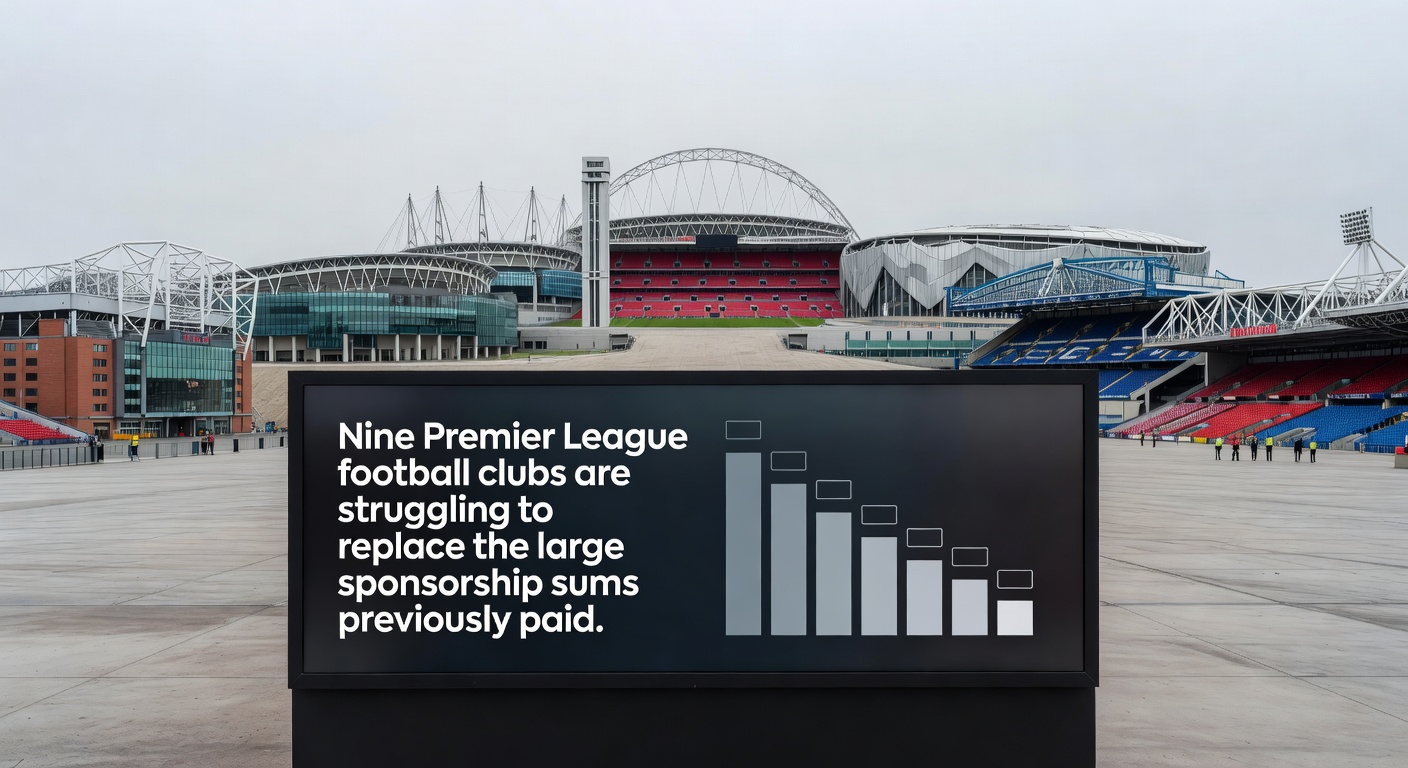
Premier League football clubs gear up for a significant shift next season, as a voluntary industry agreement bans gambling companies from shirt-front advertising starting in 2026; this move, detailed in a Guardian investigation published in April 2026, forces teams to seek alternative revenue streams, yet nine clubs already struggle to match the hefty sums once provided by betting firms. Observers note how these sponsorships, plastered prominently across matchday jerseys, generated millions annually, but now clubs hunt for replacements amid tightening regulations on gambling's visibility in sport.
What's interesting here involves the scale of the challenge; data from the Premier League reveals that gambling sponsors contributed substantially to club finances over recent years, with some deals reaching tens of millions per season, and although the ban targets only front-of-shirt placements—allowing sleeve or other ads—the loss pinches budgets already stretched thin by rising operational costs and wage demands.
And while larger clubs boast global brands ready to step in, smaller outfits find the transition tougher, scrambling for deals that replicate the lucrative, easy-money nature of betting partnerships that flourished unchecked until now.
Nine Clubs in the Spotlight
Reports pinpoint exactly nine Premier League teams grappling most acutely with this void, as they fail to secure equivalent sponsorships before the 2026-27 season kicks off; experts tracking club finances observe how these sides, often mid-table battlers reliant on steady betting income, now face revenue gaps that could ripple through squad investments and infrastructure upgrades. Take Everton or Wolves, for instance—clubs long associated with bookmakers like SportPesa or Dafabet—where past deals topped £10 million yearly, but current negotiations drag on without comparable offers materializing.
That said, the situation underscores broader vulnerabilities; Premier League data indicates gambling firms sponsored 11 shirt fronts as recently as 2023, a number that dwindled under pressure, yet these nine holdouts highlight where the rubber meets the road, as replacement deals from non-gambling sectors like finance or tech prove elusive or less generous.
Figures reveal the stark reality: one unnamed club reportedly lost out on £8 million after a betting giant pulled back, forcing executives to pivot toward fragmented deals or internal funding, all while the voluntary code—agreed upon by clubs, the Premier League, and regulators—locks in the front-shirt prohibition without loopholes.
A Reporter's £10-to-£1,000 Betting Challenge Exposes App Realities
To drive home the perils fueling this ban, a Guardian journalist embarked on a controlled experiment in April 2026, starting with a modest £10 bet aimed at scaling to £1,000 through "predictable" events like horse races and football matches; the plan seemed straightforward—back heavy favorites in low-risk scenarios—yet after just five days, the challenge collapsed under the weight of betting apps' design, which triggered emotional distress and addictive pulls researchers link to dopamine exploitation.
Observers following the account note how apps bombarded the user with notifications, personalized odds boosts, and one-tap bet placements, turning what began as a journalistic stunt into a harrowing glimpse of gambling's grip; the reporter described pulling out early, shaken by urges that overrode rational choice, even on sure-thing wagers like backing Manchester City against a relegation fodder or a Cheltenham Gold Cup frontrunner.
But here's the thing: this personal trial wasn't isolated whimsy; it mirrored studies showing how apps engineer "near-miss" thrills and rapid-fire decisions, with algorithms feeding user data back into loops that heighten engagement, and the journalist's abrupt halt after five days—despite hitting early wins—underscored why regulators push visibility curbs like the shirt ban.
People who've analyzed similar experiments often discover apps prioritize retention over responsible play, deploying features like auto-cashout temptations or live-stream integrations that blur lines between sport fandom and wagering compulsion.
How Betting Apps Weaponize Dopamine and Design
Central to the story lies the deliberate engineering of betting platforms, which experts describe as "designed to disturb," exploiting brain chemistry through dopamine surges from wins, losses, and endless prompts; the Guardian piece details how flashing graphics, sound effects, and "bet now" buttons create frictionless paths to stakes, even as the reporter chased low-odds accumulators on events like Premier League thrillers or Grand National qualifiers.
Research indicates these mechanics mimic slot machines more than traditional bookmaking, with push notifications arriving mid-match to nudge impulse bets, and although safeguards like stake limits exist, the apps' core loop—anticipation, action, reward—proves potent enough to derail the £10 challenge swiftly.
Turns out, the emotional toll proved decisive; after days of mounting anxiety and second-guessing, the user abandoned ship, highlighting perils that extend beyond individual bets to why clubs' sponsor reliance now draws scrutiny amid calls for deeper reforms.
Broader Gambling Harms Echoed in UK Sport
This saga unfolds against escalating concerns over gambling's footprint in UK sport, where estimates peg up to 1.4 million adults grappling with problems—a figure reported two years prior—while UEFA data spotlights financial wreckage like Chelsea FC's £335 million in losses tied to betting entanglements. Observers point out how pervasive ads once normalized high-stakes punting among fans, with Premier League grounds awash in bookmaker logos that blurred entertainment and risk.
Yet the voluntary ban signals a pivot; clubs signed on to phase out front-shirt gambling ads by 2026, acknowledging links between sponsorship visibility and problem gambling rates, which studies tie to a 20-30% uptick in betting during live events.
One study revealed that heavy sports bettors lose an average £1,500 yearly, fueling debates on whether sleeve ads suffice or if total divestment looms next; for those nine clubs, the pressure mounts, as they navigate boardrooms where revenue shortfalls threaten compliance with profit rules like PSR.
It's noteworthy that the betting challenge amplified these warnings, showing even skeptical participants succumb quickly, and prompting league insiders to accelerate non-gambling sponsor hunts through global outreach and fan-backed initiatives.
- Gambling sponsors previously covered 30% of some clubs' commercial income.
- The ban preserves stadium perimeter ads but eliminates prime jersey real estate.
- Replacement deals average 20-40% lower from conservative sectors.
Implications for Clubs and the 2026 Season
As April 2026 reports land, Premier League fixtures loom with altered jerseys, where nine teams' scramble could reshape transfer windows and youth academies; executives disclose ongoing talks with airlines, energy firms, and fintechs, but timelines tighten with pre-season deadlines approaching.
So while top sides like Manchester United or Liverpool pivot seamlessly—thanks to Nike or Adidas extensions—the mid-pack faces headwinds, potentially dipping into ownership pockets or slashing elsewhere to balance books.
Experts who've tracked sponsorship trends predict a mixed bag: some clubs land creative deals bundling digital rights, others settle for short-term patches, all while the betting challenge's fallout reinforces the ban's rationale, reminding stakeholders that sport's integrity hinges on distancing from addictive lures.
Conclusion
The convergence of sponsorship woes and app-driven addiction narratives paints a pivotal moment for Premier League finances in 2026; nine clubs' struggles to replace gambling windfalls underscore the voluntary ban's bite, as the Guardian's betting trial lays bare design tactics preying on human impulses during routine horse races or footy clashes. Data on 1.4 million problem gamblers and Chelsea's £335 million UEFA-cited losses amplify the stakes, pushing the league toward diversified revenue amid calls for vigilant oversight. Observers anticipate adaptation pains but eventual stabilization, with the ball now in clubs' court to forge sustainable paths forward without betting's shadow dominating shirt fronts.